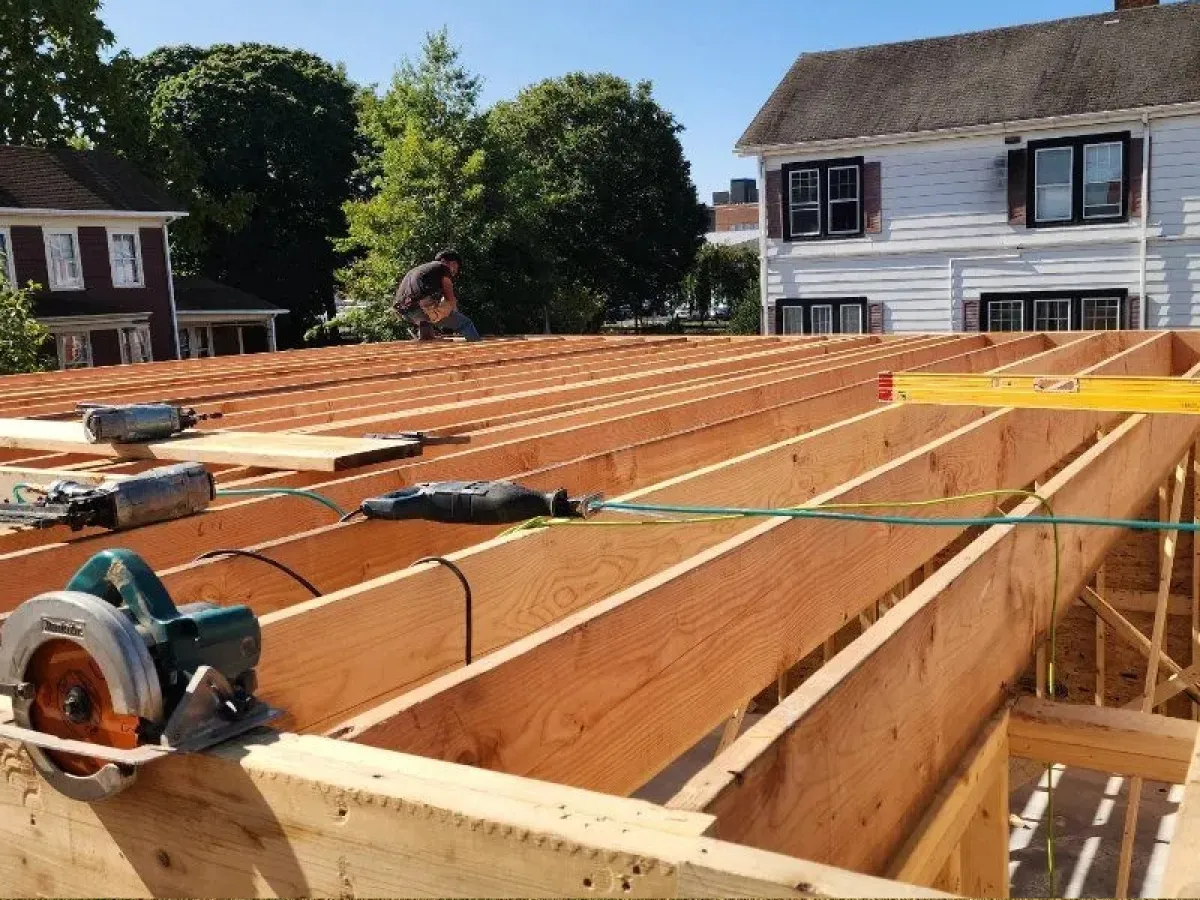
Planning Your Home Addition Project
Before breaking ground on a home addition, defining your specific needs ensures the project delivers lasting value. Growing families in the Milton area often require additional bedrooms or expanded common areas to accommodate changing lifestyles. Others seek dedicated home offices or studios as remote work becomes more prevalent in Sussex County.
The initial planning phase involves evaluating your property’s potential. Lot size, setback requirements, and existing structural elements determine feasible addition types. Single-story expansions work well on properties with ample yard space, while second-story additions maximize limited lots without sacrificing outdoor areas.
Budget considerations shape every decision from materials to square footage. Establishing a realistic financial framework early prevents mid-project surprises and helps prioritize features that matter most to your household. Working with experienced professionals during this phase saves time and reduces costly design revisions later.
Delaware’s coastal climate influences material selections and design approaches. Moisture management, wind resistance, and energy efficiency become critical factors when planning additions that must withstand humid summers and occasional nor’easters. Proper planning accounts for these regional conditions from the start.
Navigating Permits and Regulations
Sussex County building codes establish minimum standards for structural integrity, electrical systems, plumbing installations, and fire safety. Any addition that increases your home’s footprint or alters existing load-bearing structures requires formal permits before construction begins. These regulations protect homeowners and ensure additions meet safety standards.
The permit application process involves submitting detailed plans that demonstrate code compliance. Structural drawings, electrical layouts, and mechanical system specifications undergo review by county inspectors. Processing times vary depending on project complexity and seasonal submission volumes, so factoring this timeline into your overall schedule prevents frustration.
Zoning ordinances govern how close additions can sit to property lines, maximum building heights, and allowable coverage percentages. These rules vary between municipalities within Sussex County. Understanding applicable restrictions early prevents designing additions that cannot receive approval.
Professional contractors familiar with local requirements streamline the permitting process significantly. They prepare documentation in formats inspectors expect and understand common review questions before they arise. This knowledge accelerates approvals and reduces the likelihood of plan rejections or revision requests that delay project starts.
Design Considerations for Seamless Integration
Successful additions appear as though they were always part of the original structure. Matching existing rooflines, siding materials, window styles, and trim details creates visual continuity that preserves your home’s character. Even modern additions benefit from thoughtful design that complements rather than clashes with established architecture.
Roof transitions present particular design challenges. The connection point between old and new roofing requires careful engineering to prevent leaks and ensure proper water drainage. Matching shingle colors and styles maintains aesthetic consistency, though slight variations from aging may occur and typically blend naturally over time.
Interior flow matters as much as exterior appearance. The transition from existing spaces into new areas should feel natural and intuitive. Doorway placements, ceiling heights, and flooring selections influence how comfortably the addition integrates with your home’s original layout.
Natural light distribution changes when adding square footage. Strategic window placement brightens new spaces while considering how additions might shade existing windows. Balancing privacy needs with daylighting goals creates comfortable, functional spaces that feel open without compromising security.
Foundation design varies based on addition type and existing home construction. Matching foundation depths and ensuring proper drainage around new construction prevents settling issues and water intrusion. These below-grade considerations, though invisible once complete, determine long-term structural stability.
Construction Process and Timeline Expectations
Construction timelines depend on addition size, complexity, and weather conditions. A basic single-room addition typically requires eight to twelve weeks from groundbreaking to final inspection. Larger projects involving multiple rooms or second-story construction extend to four or six months. Delaware’s milder seasons generally offer the most predictable building conditions.
Site preparation establishes the foundation for quality work. Protecting landscaping, establishing material staging areas, and setting up temporary utilities minimizes disruption to your daily routines. Clear communication about work hours, access points, and anticipated noise levels helps manage expectations throughout the project.
Foundation work must cure properly before framing begins. This critical phase cannot be rushed regardless of schedule pressures. Once framing starts, visible progress accelerates as walls rise and roof systems take shape. This stage typically generates the most noticeable noise and activity around your property.
Rough-in phases for electrical, plumbing, and HVAC systems occur after framing passes inspection. These hidden systems require careful coordination and inspector approval before insulation and drywall installation can proceed. Though less visually dramatic than framing, these stages determine your addition’s functionality and comfort.
Finish work brings your vision to life through flooring installation, paint application, trim carpentry, and fixture mounting. This phase requires attention to detail and patience as numerous small tasks culminate in a completed space. Final inspections verify all systems function properly and meet code requirements before you can occupy the new area.
Choosing the Right Construction Partner
Selecting a qualified contractor significantly influences project outcomes. Look for builders with documented experience in home addition construction, proper licensing, and current insurance coverage. References from past clients provide insight into work quality, communication practices, and problem-solving abilities when challenges arise.
Detailed written estimates prevent misunderstandings about scope and costs. Quality contractors provide itemized breakdowns covering materials, labor, permits, and contingencies. Comparing multiple proposals helps identify fair pricing while revealing how thoroughly each contractor understands your project requirements.
Clear communication channels establish project success from the start. Regular updates about progress, schedule adjustments, and decision points keep you informed without requiring constant job site visits. Contractors who proactively address concerns and explain technical aspects in understandable terms demonstrate the professionalism that carries through to their construction work.
E&S Morales Brothers LLC brings extensive experience to home addition projects throughout Sussex County. Our team handles every phase from initial planning and permit acquisition through final inspection and cleanup. We understand the unique requirements of building in coastal Delaware and deliver quality craftsmanship that stands up to local environmental conditions. Our commitment to clear communication and timely project completion has earned the trust of homeowners seeking to expand their living spaces throughout the region.
Warranty coverage and post-completion support distinguish contractors who stand behind their work. Understanding what warranties cover, their duration, and the process for addressing issues provides security as you invest in expanding your home. Reputable builders maintain relationships with clients beyond project completion, ensuring satisfaction long after the final payment.